

Meet DJ Woofer - The Famous Doggie DJ
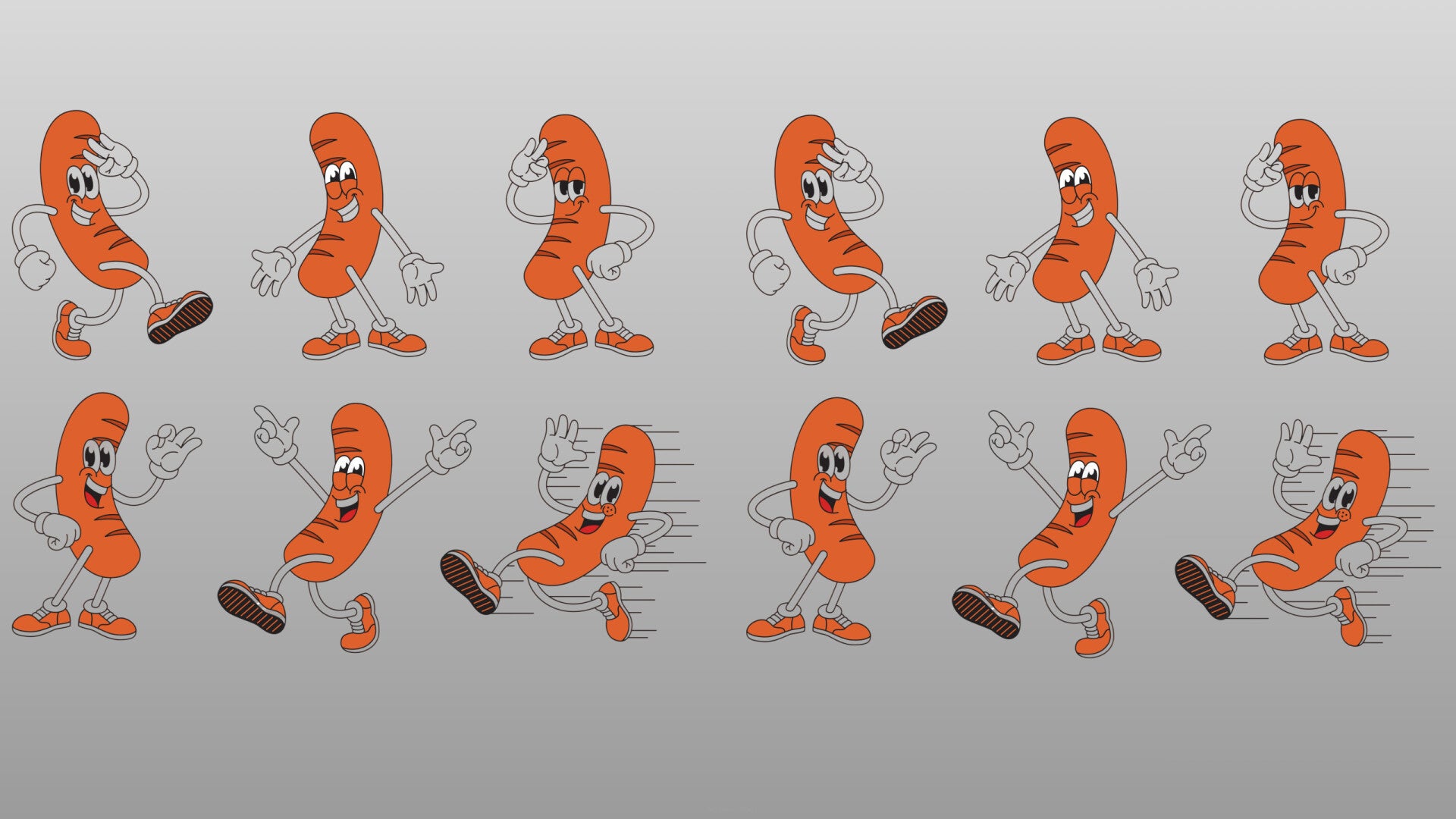
Click the button below to find out more about DJ Woofer, the world-renowned canine DJ who's taking the music scene by storm. Known for his paw-some beats and tail-wagging performances, DJ Woofer has become a sensation among music lovers and pet enthusiasts alike. Don’t miss your chance to learn more about his incredible journey and how he’s barking up a whole new tree in the music world!
Get Your Bridlington Gold Radio Mug for Only £7.99!
Start your day the best possible way with a touch of charm! The official Bridlington Gold Radio Mug is here for just £7.99. With its sleek design and high-quality finish, it's perfect for your favourite brew whilst listening to your favourite station. Whether you're at home, in the office, or gifting it to a fellow fan, this mug is a must-have for every Bridlington Gold Radio lover.

You could have a fantastic Bridlington Gold Radio mug just like mine! Much Love & Sausages DJ Woofer🐾🎶
Order yours today and sip in style!
DJ Woofer: From Decks to Lyrics
DJ Woofer is now a Singer/Songwriter, blending his passion for music with a fresh creative direction. Known for his unique style and ability to connect with audiences, he’s now pouring his talent into crafting original songs that showcase his versatility as an artist. Stay tuned as DJ Woofer embarks on this new musical journey, proving that creativity knows no bounds. Click the button below to find out more!

Stay Connected with DJ Woofer
Follow DJ Woofer on Facebook and TikTok today! Join a growing community of fun and quirkiness with DJ Woofer, and never miss out on fresh content. Click the 'follow' buttons and keep the rhythm alive!

How to Get Bridlington Gold Radio on your Alexa
Just Click on the Alexa button below. Login to your Amazon account (if you aren’t already) and click the button to “enable” the Skill.
“Play Bridlington Gold”

Then you can say to your Alexa Speaker...


DJ Woofer's Amazing Facts
Stay in the know! Keep checking our website for DJ Woofer's Amazing Facts.
Whether you're a casual listener or a devoted music enthusiast, you won’t want to miss these intriguing tidbits, updated regularly. Bookmark this page and dive into the world of DJ Woofer's Amazing Facts!
26th February 2026
DJ Woofer’s Amazing Music Fact For Today!
Fats Domino was born 26 February 1928 in New Orleans, a city whose rhythms shaped him long before he became one of rock ’n’ roll’s founding figures. Growing up in a French Creole family, he absorbed the sounds of boogie‑woogie, blues and street parades, and under the guidance of his brother‑in‑law Harrison Verrett he developed the rolling piano style that would become his trademark.
By the late 1940s he was already a standout performer on the New Orleans club circuit. His breakthrough came in 1949 with The Fat Man, a record often cited as one of the first true rock ’n’ roll hits. Its relaxed vocal phrasing, pounding left‑hand piano and irresistible swing set the tone for a career that would help define the new genre. Through the 1950s and early 1960s he delivered a remarkable run of hits, including Ain’t That a Shame, Blueberry Hill, I’m Walkin’ and Walking to New Orleans. His warm, unforced voice and genial stage presence made him a favourite across racial and generational lines, and his records sold in the tens of millions.
Domino’s influence travelled far beyond Louisiana. British skiffle players and early rock groups devoured his records, and many later stars—from The Beatles to Cliff Richard—openly acknowledged how much they learned from his phrasing, his rhythmic feel and his easy command of melody. While others chased showmanship, Domino projected a grounded charm, letting the music do the talking.
Despite global fame, he remained deeply tied to New Orleans, rarely touring far and preferring the comfort of home. He continued performing into later life and remained a beloved figure until his death in 2017. His legacy endures in the DNA of rock ’n’ roll: a gentle voice, a rolling piano and a groove that never stopped moving.
His real name was Antoine Caliste Domino Jr., the name he was given at birth in New Orleans.
So now you know!
25th February 2026
DJ Woofer’s Amazing Yorkshire Music Fact For Today!
Smokie are a soft‑rock band formed in Bradford in the 1960s by school friends Chris Norman, Alan Silson and Terry Uttley. After years of name changes and local gigging, they found their breakthrough in the mid‑1970s when they signed to RAK Records and began working with hit‑writing producers Nicky Chinn and Mike Chapman. Their sound mixed acoustic warmth, tight harmonies and a polished pop‑rock sheen, helping them stand out during a crowded era of glam and rock acts. Through the late 70s they became one of Yorkshire’s most successful musical exports, scoring major hits across the UK, Europe and Australia, and building a loyal international following that still supports them today.
Their most famous song, Living Next Door to Alice, began life earlier than many people realise. Written by Chinn and Chapman, it was first recorded in 1972 by Australian group New World, but it wasn’t until Smokie recorded it in 1976 that the song truly took off. Smokie’s version sharpened the melody, added their trademark harmonies and gave the story a more emotional, radio‑friendly feel. The song tells of a man who has lived beside Alice for twenty‑four years, quietly in love with her but never brave enough to say so. When she suddenly leaves in a limousine, he’s left with regret, confusion and the sense of a chance forever missed.
The single became a huge international hit, reaching high chart positions across Europe and becoming a staple of British radio. Its simple storytelling, memorable chorus and bittersweet tone helped it endure long after its release. Today, Living Next Door to Alice remains Smokie’s signature song and one of the most recognisable soft‑rock tracks of the 1970s.


23rd February 2026
DJ Woofer’s Amazing Music Fact For Today!
Devil Gate Drive is one of the defining glam‑rock singles of the 1970s, a stomping, leather‑clad burst of attitude that cemented Suzi Quatro as a true chart force. Released in early 1974 and written by the hit‑making duo Mike Chapman and Nicky Chinn, the song captured everything that made the Chinnichap sound irresistible: a pounding beat, a chant‑along chorus, and a sense of teenage rebellion wrapped in glitter and swagger. For Quatro, already known for Can the Can and 48 Crash, it became her second UK No.1 and the track most closely associated with her tough, bass‑slinging persona.
The song’s story is built around a fictional teenage hangout, “Devil Gate Drive,” a place where the rules don’t matter and the kids take over the night. It’s pure glam mythology—half jukebox fantasy, half celebration of the rock ’n’ roll underworld that parents warn you about. Quatro delivers it with a rasping vocal that feels both playful and commanding, pushing the song beyond novelty and into anthem territory. The spoken‑word intro and outro, delivered like a ringleader addressing her gang, became one of its most recognisable features.
Musically, it’s driven by a heavy, stomping rhythm section, fuzzed‑up guitars, and the trademark handclaps and backing vocals that defined the era. The production is tight, punchy, and built for Top of the Pops, where Quatro’s appearance in her trademark black leather jumpsuit helped seal the song’s place in pop history. It wasn’t just a hit; it was a moment—one that showed a woman could front a rock band with the same swagger as any of her male contemporaries.
Over the years, Devil Gate Drive has remained a staple of glam‑rock compilations, a karaoke favourite, and a reminder of a brief, brilliant period when pop was loud, theatrical, and gloriously daft.

22nd February 2026
DJ Woofer’s Amazing East Yorkshire Fact For Today!
East Yorkshire has produced an unusually diverse collection of influential figures whose impact stretches far beyond the boundaries of the old Riding. The region’s mixture of coastal towns, rural landscapes, and strong civic identity has shaped artists, campaigners, performers, and pioneers who left a lasting mark on British culture and global history.
Among the most celebrated is Amy Johnson, the pioneering aviator from Hull whose solo flight from England to Australia made her an international icon of courage and technical skill. Her achievements helped redefine what women could accomplish in aviation and engineering during the early twentieth century. Another towering figure is William Wilberforce, also born in Hull, whose tireless parliamentary campaigning led to the abolition of the slave trade. His legacy remains one of the most significant moral and political contributions ever made by a British statesman.
The region has also nurtured a remarkable number of actors and entertainers. Maureen Lipman, with her unmistakable wit and versatility, became one of Britain’s most recognisable performers across stage and screen. Sir Tom Courtenay, another Hull native, emerged as a defining actor of the British New Wave, bringing emotional depth and realism to roles that helped reshape post‑war cinema. Ian Carmichael, known for his charm and comic timing, added to the area’s reputation for producing performers with national appeal.
East Yorkshire’s literary heritage is equally strong. Andrew Marvell, born in Winestead, became one of the great metaphysical poets, blending political insight with lyrical brilliance. Winifred Holtby, from Rudston, wrote with a deep understanding of the region’s social fabric, most famously in South Riding, which captured the rhythms, struggles, and character of East Yorkshire life. Stevie Smith, born in Hull, contributed some of the twentieth century’s most distinctive poetry, marked by dark humour and emotional clarity.
The area has also produced influential cultural and artistic figures. William Kent, born in Bridlington, became a leading architect and landscape designer of the Georgian era, shaping the aesthetics of stately homes and early English landscape gardens. In more recent times, David Hockney’s long creative association with Bridlington and the Wolds brought global attention to the region’s landscapes, transforming local scenes into internationally recognised works of art.
Sporting achievement is represented by figures such as Luke Campbell, the Olympic gold‑medal boxer from Hull, whose success added a modern chapter to the area’s proud tradition of producing determined, world‑class talent.
19th February 2026
DJ Woofer’s Amazing Fact For Today!
Smokey Robinson is one of the most important figures in soul and pop music, known for his gentle voice, poetic songwriting, and central role in shaping the Motown sound. Born William “Smokey” Robinson Jr. on 19 February 1940 in Detroit, he grew up surrounded by music and was inspired by blues, doo‑wop, and jazz singers. As a teenager, he formed a vocal group that eventually became The Miracles, the act that first brought him to fame.
Robinson became the group’s lead singer, main songwriter, and creative driving force. His meeting with Berry Gordy led to The Miracles becoming one of the first acts signed to Motown. Their early hits, including Shop Around and You’ve Really Got a Hold on Me, helped establish Motown as a major label. Robinson’s smooth tenor and emotional delivery made him instantly recognisable.
Smokey Robinson wrote or co‑wrote thousands of songs. Many became classics, such as The Tracks of My Tears, The Tears of a Clown, and Ooo Baby Baby. His songs were recorded not only by The Miracles but also by other Motown stars. He wrote major hits for The Temptations, Mary Wells, and Marvin Gaye, shaping the sound of 1960s soul.
In the early 1970s, Robinson stepped back from The Miracles to focus on his work as a Motown executive, eventually becoming a vice president. He later returned to performing as a solo artist, releasing successful songs like Cruisin’ and Being with You. His solo work kept his reputation strong through the 1970s and 1980s.
Smokey Robinson is widely seen as one of the greatest songwriters in popular music. His gentle voice, emotional lyrics, and huge influence on Motown helped shape soul, R&B, and pop for generations. His work continues to inspire artists around the world.
Happy Birthday Smokey!
18th February 2026
DJ Woofer’s Very Tall Fact For Today!
William Bradley of Market Weighton, remembered across East Yorkshire as The Yorkshire Giant, was one of the most extraordinary figures of Georgian England. Born in 1787, he arrived in the world already remarkable, weighing an unusually heavy fourteen pounds. As he grew, it became clear he was unlike any of his peers. By adolescence he towered over his neighbours, and by adulthood he reached a verified height of 7 feet 9 inches, making him the tallest Englishman ever reliably recorded. His size shaped every part of his life, from the work he could do to the way people viewed him, yet the surviving accounts paint a picture of a gentle, good‑natured man who remained rooted in his community.
Bradley grew up in a large family, one of thirteen children, all of ordinary stature. His parents were labourers, and his early life was typical of rural Yorkshire at the turn of the nineteenth century. But as his height increased, so did the attention he attracted. In an age fascinated by physical curiosities, he was soon approached by travelling showmen who saw commercial potential in his extraordinary frame. Bradley eventually agreed to tour, appearing at fairs, exhibitions, and later in London, where he drew large crowds. Though such displays could be exploitative, Bradley seems to have exercised more control over his career than many performers of the time, negotiating his own fees and choosing when to travel.
Despite the spectacle surrounding him, Bradley remained a familiar and well‑liked figure in Market Weighton. He lived in a modest house on the high street, which still stands today, and locals remembered him as polite, soft‑spoken, and surprisingly shy. Everyday tasks were complicated by his size: furniture had to be specially made, doorways were awkward, and travel was uncomfortable. His health, too, was fragile. Like many exceptionally tall individuals, he suffered from joint pain and circulation problems, and his great height likely stemmed from a pituitary condition that was poorly understood in his era.
Bradley died in 1820 at just thirty‑three years old. His funeral drew large crowds, and his coffin required special construction. Fearing grave robbers—who often targeted unusual bodies for medical study—villagers took precautions to protect his resting place. Today, Market Weighton honours him with plaques, a heritage trail, and an annual celebration known as Giant Bradley Day. His story endures not only because of his remarkable height, but because he embodies a distinctly Yorkshire blend of resilience, modesty, and quiet pride.
17th February 2026
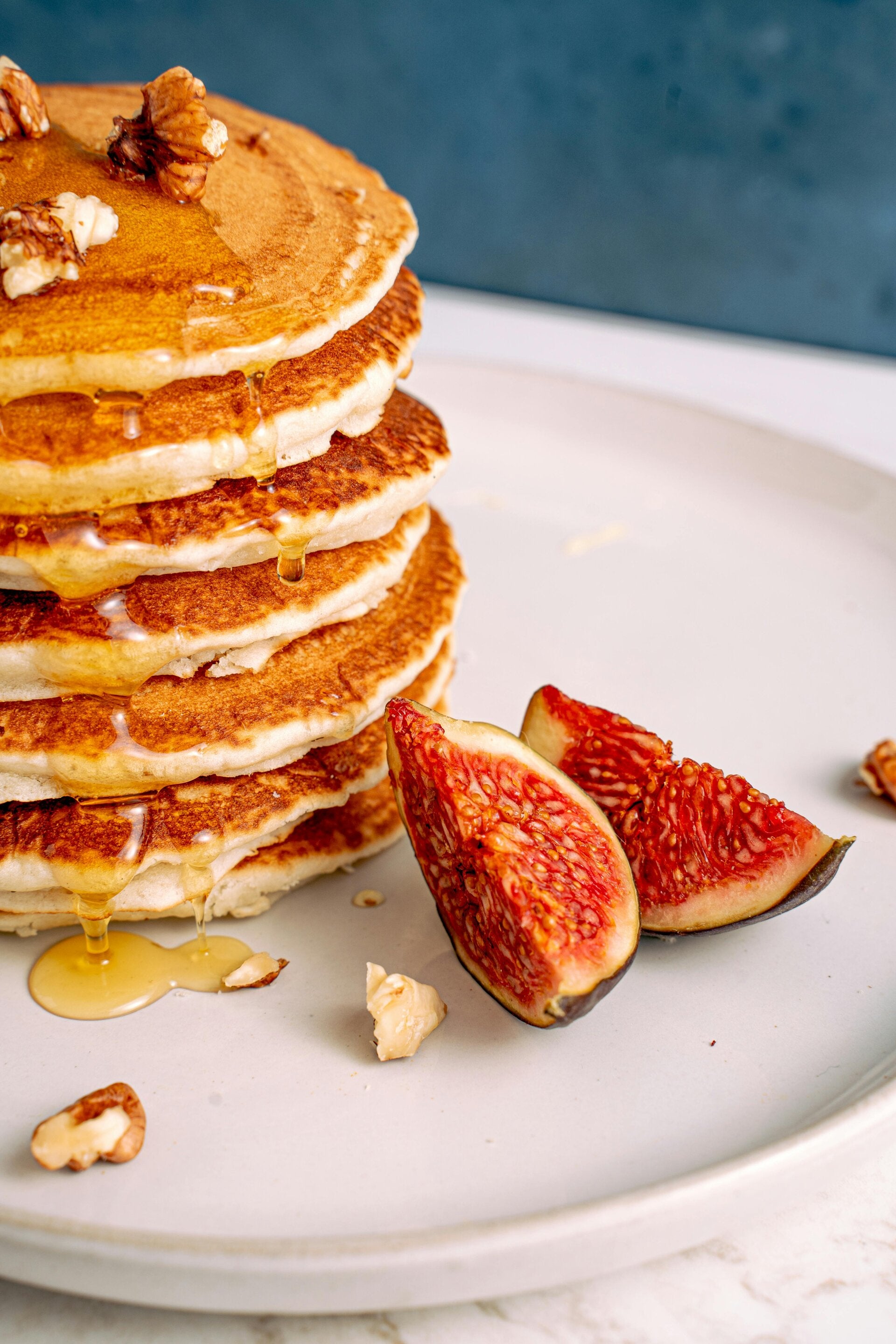
DJ Woofer’s Amazing Pancake Day Facts!
Pancake Day in East Yorkshire carries that unmistakable mix of homeliness, ritual, and low‑stakes chaos that the region does so well. Officially it’s Shrove Tuesday, the last day before Lent, rooted in the old Christian practice of using up rich ingredients like eggs, milk, and butter before the fasting season began. That tradition still underpins the day across the county, echoing the wider national story of Shrove Tuesday as a final feast before restraint.
But East Yorkshire gives it its own texture. In towns and villages from Beverley to Bridlington, the day starts with the familiar smell of batter hitting hot pans, often accompanied—if you’re close enough to the old churches—by the ringing of the “pancake bell,” a Yorkshire custom historically used to signal that households should begin cooking. Leeds is the most famous example of this tradition, where churches still ring the bell at 11am to mark the start of flipping, and although East Yorkshire’s bells aren’t as widely publicised, the custom is part of the region’s shared heritage.
Families tend to keep things simple: lemon and sugar, maybe golden syrup, occasionally a bit of competitive flair from whoever claims to be the best flipper in the house. Schools often lean into the fun with races, toppings debates, and the inevitable pancake welded to a ceiling tile. Local cafés and restaurants also get involved, offering everything from classic thin English pancakes to American‑style stacks and Dutch‑inspired plates, part of a broader Yorkshire trend of eateries embracing the day with special menus and events.
What makes Pancake Day in East Yorkshire special isn’t spectacle but spirit: a shared moment of indulgence, tradition, and gentle silliness that brightens a cold February day.
Please share your Pancake Day triumphs or disappointments with us, we would love to see them! DJ Woofer
14th February 2026
DJ Woofer’s Amazing Valentines Day No.1 Fact!
Something a little different today. Here are all the Uk No.1 singles for Valentines Day, from 1960 to 1989. Unforgettable classics, every one!
1960s• 1960: Why — Anthony Newley• 1961: Sailor — Petula Clark• 1962: The Young Ones — Cliff Richard & The Shadows• 1963: The Wayward Wind — Frank Ifield• 1964: Needles and Pins — The Searchers• 1965: Tired of Waiting for You — The Kinks• 1966: These Boots Are Made for Walkin’ — Nancy Sinatra• 1967: I’m a Believer — The Monkees• 1968: Mighty Quinn — Manfred Mann• 1969: (If Paradise Is) Half as Nice — Amen Corner
1970s• 1970: Love Grows (Where My Rosemary Goes) — Edison Lighthouse• 1971: My Sweet Lord — George Harrison• 1972: Telegram Sam — T. Rex• 1973: Blockbuster — Sweet• 1974: Tiger Feet — Mud• 1975: Make Me Smile (Come Up and See Me) — Steve Harley & Cockney Rebel• 1976: December, 1963 (Oh What a Night) — The Four Seasons• 1977: Don’t Give Up on Us — David Soul• 1978: Take a Chance on Me — ABBA• 1979: Heart of Glass — Blondie
1980s• 1980: Coward of the County — Kenny Rogers• 1981: Woman — John Lennon• 1982: The Model / Computer Love — Kraftwerk• 1983: Down Under — Men at Work• 1984: Relax — Frankie Goes to Hollywood• 1985: I Know Him So Well — Paige & Dickson• 1986: When the Going Gets Tough — Billy Ocean• 1987: I Knew You Were Waiting (For Me) — Aretha Franklin & George Michael• 1988: I Think We’re Alone Now — Tiffany1989: Something’s Gotten Hold of My Heart — Marc Almond & Gene Pitney.
How many of them do you remember?
13th February 2026
DJ Woofer’s Amazing Valentine’s Facts For Today!
Valentine’s Day has very old roots, going back long before it became a celebration of romance. The story starts in ancient Rome, where mid‑February was the time of Lupercalia, a festival linked to fertility and the coming of spring. When Christianity spread, the old festival was replaced with a day honouring Saint Valentine, a Christian martyr said to have helped couples marry in secret.
The British connection is what truly shaped Valentine’s Day into the celebration we recognise today. By the Middle Ages, people in England believed that birds began choosing their mates in mid‑February, so the date naturally became linked with love and courtship. Writers like Geoffrey Chaucer helped popularise the idea that 14 February was a romantic occasion.
As time went on, people in Britain began sending small notes or tokens to those they admired. But the biggest change came in the Victorian era. Thanks to the Penny Post, sending letters became cheap and easy, and factories began producing decorative Valentine cards. Britain quickly became one of the main places where Valentine’s cards were exchanged on a large scale. Many early cards were handmade, sentimental, or even cheekily humorous.
By the 20th century, Valentine’s Day in the UK had settled into the familiar pattern: cards, flowers, chocolates, and romantic outings. Today it’s one of the most popular card‑sending occasions in Britain, second only to Christmas.
In short, Valentine’s Day in the UK grew from ancient traditions, was reshaped by medieval ideas of romance, and finally became the modern celebration we know thanks to Victorian creativity and the British postal system!
12th February 2026
DJ Woofer’s No.1 Love Song Fact For Today!
The UK love song that spent the longest time at No.1 is…….Bryan Adams – “(Everything I Do) I Do It for You” 16 weeks at UK No.1 (1991). This is the longest‑running No.1 love song in UK chart history, holding the top spot for an unmatched 16 consecutive weeks.Nothing else in the “romantic ballad” category comes close.
Wet Wet Wet – “Love Is All Around” 15 weeks at UK No.1 (1994).A close second, and still one of the UK’s most‑played Valentine favourites!Whitney Houston – “I Will Always Love You” 10 weeks at UK No.1 (1992–93). A global classic and one of the UK’s biggest‑selling love songs.
Stevie Wonder has had two UK No.1 singles, and here are their exact runs: “I Just Called to Say I Love You” – 6 weeks at No.1 (1984)This is his big UK chart monster — and the one that always turns up on Valentine’s playlists.
“ Ebony and Ivory” (with Paul McCartney) – 3 weeks at No.1 (1982). A duet, but still officially counted in his UK No.1 tally.
So now you know! Which one is your favourite?
9th February 2026
DJ Woofer’s Scandalous Music Fact For Today!
Milli Vanilli were a pop duo who became famous very quickly in the late 1980s, and then became even more famous for one of the biggest scandals in music history. The group was made up of Rob Pilatus and Fab Morvan, two dancers and performers who had a striking look, long braids, and energetic stage presence. They were promoted as singers, but the truth behind their success was very different.
In 1988, they released their album Girl You Know It’s True. It became a huge hit in Europe and the United States. Their songs were catchy, upbeat, and perfect for radio and MTV. Tracks like “Girl You Know It’s True,” “Blame It on the Rain,” and “Girl I’m Gonna Miss You” made them international stars. They won awards, sold millions of records, and even received a Grammy Award for Best New Artist in 1990.
However, the success didn’t last. During a live performance on MTV, the backing track skipped, repeating the line “Girl, you know it’s…” over and over. This raised questions about whether they were really singing. Soon after, their producer admitted that Rob and Fab had not sung on the album at all. The real vocals were recorded by other, uncredited singers. Rob and Fab had only been the faces of the project.
When the truth came out, the music industry was shocked. Milli Vanilli were forced to return their Grammy, and their reputation collapsed overnight. They tried to restart their careers by singing with their real voices, but the public never fully accepted them again.
The story of Milli Vanilli is now often used as a lesson about honesty in the music business, the pressure to look perfect, and how quickly fame can rise and fall!
8th February 2026
DJ Woofer’s Famous Fact For Today!
The Hollywood Walk of Fame is a famous sidewalk in Los Angeles, California. It celebrates people who have made important contributions to entertainment. These include actors, musicians, directors, producers, radio hosts, and performers on stage. Each person who is honoured receives a star made from pink terrazzo and brass, set into the pavement.
The Walk of Fame runs along Hollywood Boulevard and Vine Street. Altogether, it covers 18 blocks. Millions of visitors walk along it every year, taking photos of their favourite stars. It has become one of the most popular tourist attractions in the world.
The idea for the Walk of Fame began in the early 1950s. A man named E.M. Stuart, who worked for the Hollywood Chamber of Commerce, wanted to find a way to bring glamour back to Hollywood. The area had lost some of its shine, and he hoped a special landmark would help. After several years of planning, the city approved the design. The first eight stars were placed on 8 February 1960, marking the official start of the project.
To receive a star, a person must be nominated. A committee reviews the nominations once a year. If someone is chosen, they must agree to attend the ceremony and a fee is paid to maintain the Walk. Around 24 new stars are added each year.
There are five categories on the Walk: film, television, music, radio, and live performance. Each category has its own symbol on the star. For example, a record represents music, and a film camera represents movies.
Today, the Walk of Fame is both a tribute to entertainment history and a lively part of modern Hollywood. It continues to grow, celebrating new talent while honouring legends of the past.
4th February 2026
DJ Woofer’s Amazing Snowdrop Fact For Today!

2nd February 2026
DJ Woofer’s Amazing Music Fact For Today!
Spitting Image was a British satirical TV show famous for its rubber puppets that mocked politicians, celebrities, and pop culture. In 1986, the show released “The Chicken Song,” a deliberately silly parody of cheesy holiday disco hits. It became a surprise chart‑topper and is still remembered as one of the UK’s great novelty moments.
Spitting Image ran through the 1980s and became known for its exaggerated puppet caricatures. The humour was sharp, political, and often absurd. The show regularly used music to lampoon trends, and “The Chicken Song” was created as one of these spoofs.
The song was written to mock the kind of repetitive, mind‑numbing summer hits that were everywhere in the mid‑80s. It targeted songs like “Agadoo” and “Do the Conga,” which relied on simple dance moves and catchy nonsense lyrics. “The Chicken Song” exaggerated this style to the extreme, filling the track with ridiculous instructions and surreal imagery.
The lyrics were written by Rob Grant and Doug Naylor, with music by Philip Pope. The vocals were performed by Michael Fenton Stevens and Kate Robbins, both regular contributors to the show’s musical sketches.
Despite being a parody, the song became exactly the kind of hit it was mocking. It reached number one on the UK Singles Chart and stayed there for three weeks in 1986. It also topped the charts in Ireland.
“The Chicken Song” is remembered because it captured the spirit of Spitting Image perfectly: silly on the surface, sharp underneath. It poked fun at pop culture while becoming part of it, proving that even a joke song can become a genuine classic.
“Its the time of year
Now that Spring is in the air
When those two wet gits with their girly curly hair
Make another song for moronic holidays
That nauseate-ate-ate
In a million different ways
From the shores of Spain
To the coast of Southern France
No matter where you hide
You just can't escape this dance
Hold a chicken in the air
Stick a deckchair up your nose
Buy a jumbo jet
And then bury all your clothes
Paint your left knee green
Then extract your wisdom teeth
Form a string quartet
And pretend your name is Keith
Skin yourself alive
Learn to speak Arapahoe
Climb inside a dog
And behead an eskimo
Eat a Renault Four with salami in your ears
Casserole your gran
Disembowel yourself with spears
The disco is vibrating
The sound is loud and grating
Its truly nauseating
Let's do the dance again
Hold a chicken in the air
Stick a deckchair up your nose
Yes you'll hear this song in the holiday discos
And there's no escape in the clubs or in the bars
You would hear this song if you holidayed in Mars
Skin yourself alive
Learn to speak Arapahoe
Climb inside a dog
And behead an eskimo
Now you've heard it once
Your brain will spring a leak
And though you hate this song
You'll be humming it for weeks
Hold a chicken in the air
Stick a deckchair up your nose
Buy a jumbo jet
And then bury all your clothes
La la la la la
La la la la la la la
La la la la la
La la la la la la laaaaaaa”
Poptastic!!!
1st February 2026
DJ Woofer’s Amazing Music Fact For Today!
Spinal Tap is a fictional British rock band created for the 1984 mockumentary This Is Spinal Tap, which brilliantly spoofs the world of heavy metal and rock excess. The band was played by American comedians Michael McKean (David St. Hubbins), Christopher Guest (Nigel Tufnel), and Harry Shearer (Derek Smalls), but their accents, outfits, and musical style were pure British rock theatre.
The film follows Spinal Tap on a disastrous tour, capturing everything from shrinking audiences to absurd stage mishaps. One of the most famous scenes involves a Stonehenge stage prop that’s accidentally built 18 inches tall instead of 18 feet, leading to a hilariously underwhelming performance. Another iconic moment is Nigel showing off his amp that “goes to 11” — a perfect parody of rock bravado.
Spinal Tap’s fictional history is packed with fake albums, changing lineups, and a long list of drummers who die in bizarre ways (spontaneous combustion, gardening accidents, etc.). Their music, though meant to be silly, is surprisingly catchy. Songs like “Big Bottom”, “Tonight I’m Gonna Rock You Tonight”, and “Hell Hole” are full of over-the-top lyrics and riffs that sound just like the real thing.
What makes Spinal Tap special is how detailed and deadpan the parody is. The band feels real because the creators committed fully — writing original songs, performing live, and even releasing albums under the Spinal Tap name. Over time, they became a kind of real band, touring and appearing on talk shows.
Spinal Tap isn’t just a joke about rock music — it’s a celebration of it. It pokes fun at the egos, the drama, and the clichés, but always with affection. For anyone who’s ever loved loud guitars and ridiculous stage outfits, Spinal Tap is both a mirror and a masterpiece.
ALSO
Yorkshire Pudding Day is celebrated on the first Sunday of February—today, Sunday 1 February 2026. It honours the iconic British dish with golden, crispy edges and a soft, gravy-ready centre, especially beloved in Yorkshire and Bridlington.
What is Yorkshire Pudding Day?
• Date: First Sunday of February (today in 2026)• Purpose: Celebrates the cultural and culinary importance of Yorkshire puddings in British cuisine.• Tradition: Often marked with a Sunday roast, extra-large puddings, and plenty of gravy.
History and Origins
• 18th century roots: Originally called “dripping pudding,” it was designed to catch meat drippings while roasting.• Working-class staple: Served before the meat course to fill people up when meat was scarce National Day....• Sunday roast essential: Still a key part of British Sunday dinners, especially in Yorkshire households!
Ingredients and Variations
• Basic batter: Eggs, flour, and milk or water.• Classic pairing: Roast beef and gravy.• Modern twists: Filled with sausages (toad in the hole), onion gravy, or even sweet fillings.
How to Celebrate
• Cook your own: Homemade puddings are easy and satisfying.• Go big: Some pubs and homes serve giant Yorkshire puddings as edible bowls.• Share the love: Post your pudding pics, swap recipes, or host a roast dinner!
31st January 2026
DJ Woofer’s Amazing Music Fact For Today!
The Rutles were a comedy band created in the 1970s to gently make fun of The Beatles, but they were so good at it that people ended up loving them in their own right. Eric Idle (from Monty Python) and musician Neil Innes put the group together for a TV mockumentary called All You Need Is Cash. The film retells The Beatles’ story in a silly, exaggerated way — early gigs, screaming fans, psychedelic experiments, and the final breakup — but everything is played completely straight, which makes it funnier.
Neil Innes wrote the songs, and that’s a big reason the Rutles became famous. Instead of copying Beatles tracks, he created new songs that felt like Beatles classics. Tunes such as “I Must Be in Love” and “Cheese and Onions” sound uncannily close to the real thing, which is why many people say the Rutles are the best parody band ever.
The mockumentary itself is full of dry British humour. Eric Idle plays both the narrator and one of the band members, delivering ridiculous lines with a perfectly serious face. Real musicians like George Harrison and Mick Jagger even appear in the film, which gives the whole spoof an odd sense of authenticity.
What makes the Rutles special is the tone. They aren’t mocking The Beatles in a nasty way. It’s more like a warm tribute that pokes fun at the myths and legends surrounding the biggest band in the world. Because the music is genuinely strong and the humour is gentle and clever, the Rutles ended up becoming part of British pop culture rather than just a one‑off joke.
30th January 2026
DJ Woofer’s Amazing Music Fact For Today!
In early 1964, The Searchers were one of the biggest British pop groups around. They came out of Liverpool, part of the same Merseybeat scene that produced The Beatles, Gerry & The Pacemakers, and The Swinging Blue Jeans. Their sound was clean, bright, and built around chiming guitars and tight harmonies — the sort of music that felt fresh, upbeat, and perfect for the new youth culture taking over Britain.
On 30 January 1964, they reached No.1 on the UK Singles Chart with their version of “Needles and Pins.” The song wasn’t written by the band — it came from American writers Jack Nitzsche and Sonny Bono — but The Searchers made it their own. Their recording had a distinctive jangly guitar sound that later inspired bands like The Byrds, Tom Petty, and even early R.E.M.
For The Searchers, this wasn’t a one‑off success. They had already hit No.1 the previous year with “Sweets for My Sweet,” and “Needles and Pins” proved they weren’t just riding the wave of Beatlemania — they were shaping the sound of British pop in their own right. Their version of the song stayed at the top for three weeks, becoming one of the defining hits of the era.
What made it work was its simplicity: a catchy melody, a slightly sad lyric about heartbreak, and a performance that felt both polished and emotional. It was the kind of record teenagers could sing along to instantly.
By the time 1964 rolled on, The Searchers were firmly part of the British Invasion, sending their music across the Atlantic and influencing a generation of guitar bands. “Needles and Pins” remains their most famous track, and its success on 30 January stands as one of the key moments in early‑60s UK pop history.
28th January 2026
DJ Woofer’s Amazing Music Fact For Today!
27th January 2026
DJ Woofer’s Amazing Music Fact For A Very Windy Tuesday In Bridlington!
25th January 2026
DJ Woofer’s Amazing Music Fact For Today!
The Tymes are a Philadelphia soul group whose career stretches back to the mid‑1950s, long before their surprise UK chart‑topper with “Ms Grace.” They began as The Latineers, a harmony‑driven vocal outfit shaped by doo‑wop, gospel, and the emerging Philadelphia soul sound. Their early breakthrough came in 1963 with “So Much in Love,” a smooth, romantic ballad that hit No.1 in the United States and introduced their elegant vocal blend to a wide audience. Through the 1960s they enjoyed steady success, but like many vocal groups of their era, they faced shifting musical trends and a changing industry.
By the early 1970s, The Tymes were seasoned performers with nearly two decades of experience, but they were no longer chart regulars. That’s what makes the story of “Ms Grace” so striking. Released in 1974, the song didn’t make a major impact in the United States, but British audiences embraced it almost instantly. Its upbeat groove, bright brass, and effortlessly catchy chorus made it a natural fit for UK dancefloors, particularly within the Northern Soul and club scenes that prized energetic, feel‑good soul records.
On 25 January 1975, “Ms Grace” reached No.1 on the UK Singles Chart, giving The Tymes their only British chart‑topper. It stayed at the summit for just one week, but its impact lasted far longer. The song became a staple of soul nights, seaside dance halls, and retro radio shows, earning a place in the UK’s collective musical memory. For The Tymes, it was a remarkable late‑career triumph: a moment when their polished harmonies and timeless charm aligned perfectly with British tastes.
“Ms Grace” remains one of those rare records that feels both effortless and irresistible, a joyful reminder that sometimes the biggest hits arrive when no one expects them.
23rd January 2026
DJ Woofer’s Amazing Music Fact For Today!
“My Sweet Lord” reaching No.1 in the UK on 23 January 1971 was a landmark moment in British music. It marked the first time any of the Beatles had topped the UK charts as a solo artist, and it instantly established George Harrison as a major creative force in his own right. For years he had contributed important songs to the Beatles catalogue, but he was often overshadowed by Lennon and McCartney. This single changed that perception almost overnight.
The song had been released in the UK just over a week earlier, on 15 January 1971, and it climbed the charts with remarkable speed. Its mix of gentle acoustic guitar, rich harmonies, and a spiritual message that blended Eastern and Western influences made it stand out from anything else in the charts at the time. British listeners connected with its warmth and sincerity, and the single quickly became a national favourite.
Once it reached No.1, it stayed there for five weeks, dominating the early part of 1971. By the end of the year, it had become the best‑selling single in the UK, proving that Harrison’s songwriting had broad and lasting appeal. The success of “My Sweet Lord” also boosted the impact of his triple album All Things Must Pass, which was already being praised for its ambition and emotional depth.
The song’s legacy in the UK only grew stronger over time. After Harrison’s death in 2001, “My Sweet Lord” was re‑released and once again reached No.1 in early 2002, making him one of the few artists to top the UK charts with the same song in two different eras.
22nd January 2026
DJ Woofer’s Amazing Music Fact For Today!
“How Do You Do It?” is a bright, catchy pop song that became one of the defining records of the early 1960s in Britain. Written by songwriter Mitch Murray, it was originally offered to several artists before finding its perfect match with Gerry and the Pacemakers, a Liverpool band managed by Brian Epstein and produced by George Martin. At the time, the UK charts were shifting from American‑dominated rock ’n’ roll to a new wave of British beat groups, and this song arrived at exactly the right moment.
The Beatles actually recorded a version first, because George Martin thought it might make a strong debut single for them. But the band weren’t keen on it — they wanted to release their own material — so their version was shelved. That opened the door for Gerry and the Pacemakers, who recorded it on 22 January 1963. Their take was upbeat, clean, and instantly memorable, with Gerry Marsden’s cheerful vocal and a simple, bouncy arrangement that fit perfectly with the Merseybeat sound.
When it was released in March 1963, the song shot straight to No.1 in the UK. It stayed there for three weeks and became the first of the band’s three consecutive chart‑topping singles — a record at the time for a debut run. Its success helped cement Liverpool as the new centre of British pop, just as Beatlemania was beginning to build.
Musically, the song is straightforward: a bright melody, a friendly chorus, and lyrics about wanting to know how someone manages to stay so calm and charming in love. It’s not complicated or heavy; it’s simply a feel‑good pop tune designed to make people smile.
Today, “How Do You Do It?” is remembered as a key early‑60s hit that helped launch the Merseybeat explosion and set the stage for the British pop boom that followed.
21st January 2026
DJ Woofer’s Amazing Scottish Music Facts For Today, with a little help from Angus McWoofer!
Scottish bands reaching No.1 in the UK singles chart is one of the great recurring miracles of modern civilisation — like finding a fiver in an old coat pocket, or discovering that the chip shop is still open after eleven. Every few years, the charts suddenly remember that Scotland exists, and up pops another tartan‑flavoured triumph.
It usually begins with the Bay City Rollers, who didn’t just reach No.1 — they arrived wearing enough tartan to upholster a small caravan. “Bye Bye Baby” blasted out of every radio in Britain, whether people wanted it or not, and for a brief moment the entire nation looked like it might adopt knee‑length tartan scarves as standard issue.
Then came Middle of the Road, who cheerfully chirped their way to the top with “Chirpy Chirpy Cheep Cheep,” a song so catchy it should probably come with a warning label. Nobody knew what it meant, but everyone sang it anyway, including people who claimed they didn’t.
By the late ’80s, Simple Minds decided the charts needed something more dramatic. “Belfast Child” soared to No.1 with all the seriousness of a band who had absolutely no intention of wearing tartan trousers. It proved that Scottish groups could be moody, meaningful, and still shift a mountain of singles.
Then Wet Wet Wet arrived and refused to leave. “Love Is All Around” sat at No.1 for so long that people began to wonder if it had taken out a long‑term tenancy. The band practically owned the summer of ’94, and possibly half the nation’s wedding playlists.
And just when everyone thought the story was over, The Proclaimers marched back into the charts years later, proving that if you walk 500 miles — and then 500 more — you might just end up at No.1.
In short: Scotland doesn’t send bands to the top often, but when it does, they make sure the whole country hears them!
20th January 2026
DJ Woofer’s Amazing Music Fact For Today!
“Keep On Running” — The song that made Steve Winwood a star!
“Keep On Running” began life not in Birmingham, but in Jamaica. It was written and first recorded by Jackie Edwards, a singer‑songwriter working with Island Records. His original version had a reggae‑leaning groove, but it was the Spencer Davis Group who transformed it into a British R&B powerhouse.
Recorded on 21 October 1965 and released that November, their version is a burst of youthful energy: fuzz‑edged guitar, stomping rhythm, and the unmistakable, soulful roar of 16‑year‑old Steve Winwood. The band — Spencer Davis, Winwood, his brother Muff, and drummer Pete York — were already local heroes in Birmingham’s club scene, but this single pushed them into the national spotlight.
On 20 January 1966, “Keep On Running” hit No.1 on the UK Singles Chart, becoming the group’s first chart‑topper and a defining moment in mid‑60s British R&B. It knocked The Beatles’ “Day Tripper” / “We Can Work It Out” off the top spot — no small feat in the era of Beatle dominance.
The song’s success also cemented the Spencer Davis Group as one of the most exciting British bands of the period. They would go on to score more hits, including “Somebody Help Me” and “Gimme Some Lovin’,” before Winwood left in 1967 to form Traffic.
“Keep On Running” remains a staple of 60s compilations and British pop history — a perfect example of how Jamaican songwriting, Birmingham grit, and teenage soul collided to create something timeless.
19th January 2026
DJ Woofer’s Amazing Music Fact For Today!
When I’m a Believer hit No.1 in the UK in January 1967, it marked one of the defining moments of The Monkees’ whirlwind rise from TV-manufactured pop experiment to genuine chart‑dominating force. Written by Neil Diamond and produced by Jeff Barry, the song was originally intended as a straightforward pop single, but the combination of Diamond’s melodic punch and The Monkees’ bright, energetic delivery turned it into something far bigger. Released at the height of Monkeemania, it captured the optimism, colour, and youthful bounce of the late‑sixties pop landscape.
In Britain, the single arrived at exactly the right moment. The Monkees’ television show had become a staple of after‑school viewing, and their personalities — especially the cheeky charm of Davy Jones, the group’s Manchester‑born member — connected instantly with UK audiences. By the time I’m a Believer entered the charts, the band had already moved from novelty to phenomenon. The single shot to No.1 and stayed there for four weeks, dominating the airwaves and becoming one of the most recognisable songs of the decade.
Musically, the track is built on a driving rhythm, jangling guitars, and a euphoric chorus that feels engineered for instant sing‑along appeal. Micky Dolenz’s lead vocal gives it a sense of wide‑eyed sincerity, while the production layers create a bright, almost irresistible sheen. It was pure pop, but executed with such confidence that it transcended its origins.
The song’s success in the UK helped cement The Monkees as a legitimate chart act rather than just a TV creation. It also became one of the biggest‑selling singles of 1967 in Britain, a year otherwise dominated by heavyweight acts like The Beatles and The Rolling Stones. Even today, I’m a Believer remains one of the most enduring and joyful pop hits ever to top the UK charts.
18th January 2026
DJ Woofer’s Amazing Music Fact For Today!
No.1 on this day in 1960!“Running Bear” is a dramatic little pop song from 1959, sung by Johnny Preston, about two young lovers from rival Native American tribes. Think Romeo and Juliet, but with more chanting and a much wetter ending.
Running Bear is a brave warrior. Little White Dove is the girl he adores. Unfortunately, their tribes don’t get along, and someone has inconveniently placed a raging river between them — the 1950s pop‑song equivalent of “your parents won’t let you date.”
Every day they stand on opposite banks, gazing longingly at each other like two teenagers whose Wi‑Fi has gone down. The river is wild, dangerous, and clearly not covered by any sort of health and safety assessment. But love makes people do daft things, so naturally they both jump in.
They get swept away, drown, and the song cheerfully informs us they’re now together in the “happy hunting ground,” which is 1960s pop‑music code for “the afterlife, but let’s keep it upbeat.”
Musically, the track is full of dramatic drums and those famous “tribal” chants — performed by The Big Bopper and George Jones, who were apparently having a great time pretending to be a chorus of enthusiastic bears. The Big Bopper also wrote the song, proving he had range: from “Chantilly Lace” to tragic river‑based romance.
The record shot to No.1 in both the US and UK, becoming one of those pre‑Beatles hits that everyone’s nan remembers dancing to at the youth club.
Today, it’s seen as catchy, kitschy, and very much a product of its time — a melodramatic love story wrapped in a tune you can’t get out of your head, even if you try.
17th January 2026
DJ Woofer’s Amazing Music Fact For 17th January, and one of my all time favourite tracks!
Chris Montez, born Ezekiel Christopher Montañez on 17 January 1943 in Los Angeles, is an American singer and guitarist whose career spans early rock & roll, soft‑pop standards, and Latin‑influenced music. Raised in Hawthorne, California, he grew up in the same neighbourhood as The Beach Boys and even had informal jam sessions with Brian Wilson and his brothers during school days. Inspired by Ritchie Valens, he taught himself guitar and vocals as a teenager, shaping the energetic style that defined his early work.
His breakthrough came in 1962 with “Let’s Dance”, a high‑octane rock & roll single that reached No. 4 on the US Billboard Hot 100 and became a major UK hit. The success launched him into tours with major names such as Sam Cooke, Clyde McPhatter, The Platters, and Smokey Robinson. In 1963, during a UK tour with Tommy Roe, his opening act was an unknown Liverpool band called The Beatles, a moment that later became a legendary footnote in pop history.
After his early rock momentum faded, Montez reinvented himself. Signing with A&M Records in 1965, he adopted a smoother, more traditional pop sound at the suggestion of Herb Alpert. Though initially reluctant, the shift produced a string of mid‑60s hits including “The More I See You,” “Call Me,” “There Will Never Be Another You,” and “Time After Time”. These recordings showcased a softer vocal style and lush orchestral arrangements, establishing him as a versatile pop balladeer.
Throughout his career, Montez also recorded in Latin styles, reflecting his Mexican‑American heritage and contributing to a broader Los Angeles Latino music movement that predated mainstream recognition by decades. Still active after more than sixty years, he remains a distinctive figure who successfully bridged rock & roll, pop standards, and cultural identity.
16th January 2026
DJ Woofer’s Amazing Music Fact For Today!
The Cavern Club opened its doors on 16 January 1957, deep beneath 10 Mathew Street, Liverpool, in a cellar so low you practically had to fold yourself in half to get inside. Its founder, Alan Sytner, had fallen in love with the smoky jazz basements of Paris and decided Liverpool deserved one too — even if it meant convincing people to spend their evenings underground like stylish musical moles.
On opening night, the Cavern was proudly a jazz club, and Sytner made that very clear. Rock ’n’ roll was banned at first, which is hilarious in hindsight considering what the place became. The first acts included the Merseysippi Jazz Band and the Wall City Jazzmen, who squeezed onto a stage barely big enough for a trumpet case. The headline drummer, the so‑called “Earl of Wharncliffe,” didn’t bother turning up — a very jazz thing to do.
The atmosphere was instantly unforgettable. The room was long, brick‑arched, sweaty, and packed with young people who didn’t mind emerging smelling like they’d been slow‑roasted. Drinks were minimal, ventilation was theoretical, and yet everyone loved it. It felt rebellious simply to be there.
Skiffle groups soon crept in, despite Sytner’s best efforts to keep things “proper.” One of those early skifflers was a teenage John Lennon, who famously got told off for playing rock ’n’ roll. Within a few years, the Cavern would become the beating heart of Merseybeat, hosting The Beatles nearly 300 times and turning that cramped cellar into the most famous basement in music history.
But on that first night in 1957, nobody imagined any of that. It was just a new club, a smoky tunnel full of jazz fans, and the start of a story that would echo far beyond Liverpool — proof that sometimes the biggest things begin underground.
15th January 2026
DJ Woofer’s Amazing Royal Fact For Today!
The coronation of Elizabeth I on 15 January 1559 was one of those great English moments where half the country turned up to stare, cheer, and quietly judge the outfits. Elizabeth was 25, clever, confident, and fully aware that the nation had just survived years of religious chaos. No pressure, then.
As tradition demanded, she spent the night before at the Tower of London — which sounds ominous, but in her case it was more “royal sleepover” than “dungeon drama.” The next day she processed through London in a grand parade. The streets were decorated, the crowds were ecstatic, and Elizabeth worked the route like a seasoned performer. She stopped to chat, smiled at everyone, and generally behaved like someone who knew she was about to be on every Tudor gossip blog.
On coronation morning, she started in Westminster Hall, surrounded by glittering gold plate from Henry VIII’s collection — because nothing says “new era” like your dad’s fancy dishes. A long blue carpet led to Westminster Abbey. Elizabeth walked along it in crimson robes, and the public immediately tore up the carpet behind her for souvenirs. Tudor fandom was intense.
Inside the Abbey, the ceremony was led by Owen Oglethorpe, one of the few bishops willing to take part. Elizabeth was anointed, crowned, and handed the orb and sceptre — the Tudor equivalent of being given the keys to the kingdom and a very fancy paperweight.
Afterwards came a huge feast in Westminster Hall, followed by days of celebrations, music, and fireworks. The whole event signalled a fresh start. Elizabeth’s reign would last 44 years, shaping an age of exploration, culture, and the occasional dramatic wig.
It is rumoured, although there is no evidence, that once the celebrations had ended, Her Majesty caught the next coach to Bridlington and spent a few days on the South Beach with her entourage, eating ice cream and building sandcastles!
14th January 2026
DJ Woofer’s Amazing Music Fact For Today!
14 January has produced a surprisingly eclectic mix of UK chart moments, each one reflecting a different shift in British musical taste. Mid‑century pop was in full swing in 1955, when Mambo Italiano reached No.1 — a sign of how American novelty‑Latin hybrids could sweep British listeners along with sheer charm and rhythm. By 1961, the UK was deep in its Elvis era, and G.I. Blues beginning a long run at the top of the Albums Chart showed just how completely he dominated British youth culture.
The mid‑60s brought a more homegrown flavour. On 14 January 1965, Georgie Fame & The Blue Flames hit No.1 with Yeh, Yeh, a sharp, jazzy, Latin‑soul track that stood out from the Merseybeat crowd. It was a moment where British R&B musicians proved they could top the charts without mimicking American trends. Just a year later, David Bowie released Can’t Help Thinking About Me, his first single under the name that would define him. It didn’t chart at the time, but it marked the beginning of a career that would reshape British pop for decades.
The 1970s added their own milestones. On 14 January 1970, Diana Ross performed her final show with The Supremes — not a UK‑specific event, but one that deeply influenced British pop, Motown fandom, and the emerging girl‑group template. Then came 14 January 1977, when Bowie released Low, a record that didn’t just chart well but rewired the sound of British electronic, post‑punk, and art‑pop. Its arrival at No.2 signalled that the UK charts were ready to embrace something stranger, colder, and more experimental.
Across these dates, the UK charts reveal a pattern: British listeners have always been open to reinvention, whether through American imports, homegrown innovators, or radical shifts in sound.
13th January 2026
DJ Woofer’s Amazing Music Fact For Today!
Suggs, born Graham McPherson on 13 January 1961, has become one of the most recognisable and enduring figures in British music. As the frontman of Madness, he helped define the sound and spirit of late‑70s and 80s British pop, blending ska, pop, music‑hall humour, and a distinctly London attitude. His voice, half‑sung and half‑spoken, became a signature part of the band’s charm, giving their songs a warm, street‑level character that connected instantly with audiences.
Madness emerged from the two‑tone movement, but they quickly carved out their own identity. With Suggs at the centre, they produced a run of hits that became part of the UK’s cultural fabric: songs about everyday life, family chaos, awkward romance, and the strange poetry of ordinary streets. Suggs’ delivery always felt like he was telling you a story from the pub or the bus stop, full of wit and a hint of melancholy. That balance helped the band appeal to generations of listeners, from ska fans to pop lovers to families watching Top of the Pops.
Beyond Madness, Suggs built a varied career. He released solo music, including the hit I’m Only Sleeping, and collaborated with artists across genres. He became a familiar face on British television and radio, hosting shows with the same relaxed charm he brought to the stage. His storytelling ability led him into writing and theatre, where he explored his own life with humour and honesty.
What makes Suggs stand out is his ability to feel both iconic and down‑to‑earth. He represents a certain British sensibility: playful, nostalgic, slightly chaotic, but always warm. Decades after Madness first appeared, he remains a beloved figure in UK culture, still performing, still telling stories, and still sounding unmistakably like himself.
12th January 2026
DJ Woofer’s Amazing Facts For Today!
12 January has turned into a surprisingly important date in UK music history, touching different eras and styles. One of the biggest moments came in 1969, when Led Zeppelin released their debut album in the UK. The record was made quickly, with a raw, powerful sound that mixed blues, rock, and heavy riffs. It didn’t reach No.1, but it stayed on the charts for more than a year and helped shape the future of British rock. Many fans now see it as one of the most influential debut albums ever made.
Another key moment happened in 1961, when “Poetry in Motion” reached No.1 on the UK Singles Chart. It was an American song, but it became a huge hit with British listeners and stayed popular for years. It’s one of those early‑60s tracks that shows how the UK charts were already becoming a mix of local and international sounds.
On 12 January 1968, The Beatles made an important business move. Their company, Beatles Film Productions, officially changed its name to Apple Film Limited, and Apple Music became Apple Corps. This was part of the group’s shift into a new creative and business phase, just before they recorded some of their most famous late‑60s work.
The date also includes several notable UK‑connected birthdays. Des O’Connor, born on 12 January 1932, became a well‑known singer and TV presenter with a long career. Long John Baldry, born in 1941, became a major figure in British blues and even scored a UK No.1. Maggie Bell, born in 1945, became one of Scotland’s most powerful rock and soul voices.
Taken together, 12 January shows how UK music history stretches across genres, generations, and styles, all linked by one winter date that keeps producing memorable moments.
11th January 2026
DJ Woofer’s Amazing Music Facts For Today!
11 January has seen several important moments in British music, especially in the charts and in the careers of well‑known artists.
In 1956, Tommy Steele — one of Britain’s first home‑grown rock ’n’ roll stars — reached number one on the UK Singles Chart with “Singing the Blues.” What made this interesting is that an American singer, Guy Mitchell, had also released the same song, and the two versions battled each other for the top spot. Steele’s win was a big moment for early British pop, proving that UK artists could compete with American acts.
In 1962, Cliff Richard and The Shadows began a long run at number one with “The Young Ones.” The song became one of Cliff’s biggest hits and stayed at the top for six weeks. It also tied in with the film of the same name, which helped make it even more popular.
In 1963, The Beatles released their second UK single, “Please Please Me.” Although it didn’t reach number one on every chart, it became their first major breakthrough hit and set the stage for Beatlemania. Many music historians consider this the moment the band truly took off.
Several musicians with strong UK connections were also born on 11 January. Laurens Hammond, the inventor of the Hammond organ, was born on this day; his instrument became a key part of British rock, used by bands like Procol Harum and Yes. Tony Kaye, the original keyboardist for Yes, was also born on 11 January. Clarence Clemons, the saxophonist from Bruce Springsteen’s E Street Band, was born on this date too and became well‑known in the UK through Springsteen’s success. Welsh drummer Terry Williams, who played with Dire Straits and Rockpile, also shares this birthday.
Overall, 11 January has been a surprisingly rich date in UK music history, marking chart triumphs, major releases, and the birthdays of musicians who helped shape British rock and pop.
10th January 2026
DJ Woofer’s Amazing Fact For Today!
Fraggle Rock’s television premiere on 10 January 1983 marked the launch of one of Jim Henson’s most imaginative and quietly revolutionary creations. Henson didn’t just want another children’s show; he wanted a series that could model how different communities might live together, depend on one another, and resolve conflict with curiosity rather than fear. That ambition shaped everything about the production, from its international co‑financing to the way it was filmed partly in the UK at the TVS studios in Maidstone.
The first episode, “The Beginning,” introduced audiences to the layered underground world beneath the human realm: the carefree Fraggles, the industrious Doozers, and the towering Gorgs who believed themselves to be rulers of the universe. Each group had its own culture, habits, and blind spots, and the show used their interactions to explore ideas about cooperation, misunderstanding, and the ripple effects of small actions. It was a deceptively sophisticated setup wrapped in bright colours, slapstick humour, and irresistible songs.
The premiere also showcased the extraordinary skill of Henson’s puppeteers, whose performances gave the characters emotional nuance far beyond what most children’s television attempted at the time. The instantly iconic theme song set the tone — playful, rhythmic, and full of movement — inviting viewers into a world that felt both fantastical and strangely familiar.
When Fraggle Rock debuted, it stood out immediately. It wasn’t moralistic, but it had a moral centre. It wasn’t preachy, but it had something to say. Its premiere signalled the arrival of a show that would become a global favourite, running for multiple seasons and influencing generations of viewers with its blend of music, humour, and gentle wisdom.
9th January 2026
DJ Woofer’s Amazing Music Facts For Today!
Over the years, 9 January has been an important date in British music, with several big moments happening on this day.
One of the biggest came in 1976, when Queen started a nine‑week stay at No.1 in the UK charts with Bohemian Rhapsody. The song was already famous for its unusual style and its early music video, but this long run at the top made it a true British classic. It later returned to No.1 in 1991 after Freddie Mercury died, but its first rise in January is the moment it became a national favourite.
In 1963, Charlie Watts officially joined The Rolling Stones. This completed the band’s classic lineup. Watts’ calm, steady drumming helped shape the Stones’ sound for the next fifty years. It wasn’t a huge news story at the time, but it turned out to be one of the most important steps in the band’s history.
Another major moment came in 1970, when Led Zeppelin played a famous concert at the Royal Albert Hall. It was Jimmy Page’s 26th birthday, and the audience included big names like John Lennon, Eric Clapton, and Jeff Beck. Fans still talk about this show because the band played with incredible energy and power. Many people see it as one of their best performances.
Going back even further, in 1955, Rosemary Clooney reached No.1 in the UK with Mambo Italiano. Even though she was American, her success shows how British listeners in the 1950s enjoyed a wide mix of styles — from swing to novelty songs — long before rock music took over.
When you put all these events together, 9 January becomes a surprisingly important date in UK music. It includes the rise of one of the most famous songs ever made, the moment a legendary rock band found its final member, a historic live performance from one of Britain’s biggest groups, and a reminder of how varied the UK charts once were.
It’s a date that quietly connects some of the biggest names in British music history.
3rd January 2026
DJ Woofer’s Amazing Music Facts For Today!
3 January has a habit of sitting quietly in the calendar, but it’s threaded through with moments that shaped the direction of UK music. The date is most strongly associated with the early‑60s boom, when British pop was beginning to harden into a cultural force. On 3 January 1963, Cliff Richard and The Shadows began a three‑week run at No.1 with the double‑A side The Next Time / Bachelor Boy. It’s a snapshot of a pre‑Beatles Britain: clean‑cut, melodic, and steeped in the polished professionalism that Cliff and his band had perfected. Yet it also marks the last phase before the tidal wave of Merseybeat would redefine everything.
That shift was already rumbling by the following year. On 3 January 1964, American audiences were shown a clip of The Beatles performing “She Loves You” on the Jack Paar Show. It wasn’t a live appearance, but it was the first time many in the US had seen the band. The reaction helped prime the country for the Beatles’ arrival just weeks later, turning a British phenomenon into a global one. In hindsight, it’s one of those small broadcast moments that changed the scale of British pop forever.
The date also carries a quieter but significant footnote in the form of John Paul Jones, born 3 January 1946. Before Led Zeppelin, he was already a respected arranger and session musician, shaping the sound of countless British recordings. His birthday anchors the date to the lineage of UK rock’s most influential players.
Taken together, 3 January reads like a hinge point: the polished pop of the early 60s at its peak, the Beatles preparing to detonate across the Atlantic, and the birth of a musician who would help define the next era of British rock. It’s not a loud date, but it’s a meaningful one, marking transitions that echo through UK music history.
2nd January 2026
DJ Woofer’s Amazing Music Fact For 2nd January!
Melody Maker started this day in January 1926, and it became one of the most important music magazines Britain ever produced. In simple English, this is what happened and why it mattered.
Melody Maker was first created by a music publisher called Lawrence Wright. At the start, it was mainly a small magazine to promote his own songs. Very quickly, though, it grew into a proper weekly music paper for working musicians.
Back in the 1920s, Britain was full of dance bands and early jazz groups, and there weren’t many places for musicians to learn what was new. Melody Maker filled that gap. It told players about new styles, new instruments, and where the good gigs were.
Melody Maker wasn’t a fan magazine. It was written for musicians, not teenagers buying records. It covered things like:
• How to play better• What instruments were worth buying• News about jazz and dance bands• Classified ads for players looking for work
It treated music as a serious craft, long before modern music journalism existed.
Over the years, Melody Maker became one of the world’s first weekly music newspapers. It stayed loyal to jazz for a long time, even when rock and roll arrived, but eventually it covered everything from folk to rock to pop.
By the 1960s and 70s, it was known as the “musicians’ paper” — respected, detailed, and sometimes a bit snobbish, but hugely influential.
That first issue in 1926 marks the start of a magazine that shaped British music for decades. It helped musicians find each other, pushed new styles forward, and became a key part of the UK’s musical story.
1st January 2026
DJ Woofer’s Amazing 1st January Music Fact!
The debut episode of Top of the Pops, broadcast on 1 January 1964, marked a turning point in British pop culture, capturing the energy of a nation on the brink of a musical revolution. The BBC chose to launch the show from Dickenson Road Studios in Manchester, a converted church that gave the programme a raw, unpolished charm. This northern setting shaped the early identity of TOTP, grounding it in the youth culture of the regions rather than the polished media world of London.
The first episode was hosted by the presenter who we no longer talk about, who at the time was a prominent radio personality. The show opened with a drum‑roll theme and a camera sweep up the Top 20 chart board, immediately establishing the countdown format that would define TOTP for decades. The programme’s structure was simple but effective: showcase the biggest hits of the week, performed by the artists themselves, albeit mimed due to technical limitations and union rules of the era.
The musical lineup for this inaugural broadcast reads like a snapshot of the British Invasion in its earliest, most explosive phase. Dusty Springfield’s “I Only Want to Be With You” was the first song featured, setting a tone of bright, modern pop. The Rolling Stones became the first band to perform on the show with “I Wanna Be Your Man,” bringing a scruffier, blues‑driven edge. The Beatles, who were already dominating the charts, appeared via their No.1 single “I Want to Hold Your Hand,” which played during the introduction. In one episode, viewers saw the three pillars of early‑60s British pop: polished pop, gritty R&B, and the unstoppable force of Beatlemania.
The studio audience, made up largely of Manchester teenagers, danced around the performers, giving the show a lively, club‑like atmosphere. The production was loose, occasionally chaotic, and far from slick, but that immediacy became part of its appeal. It felt like a direct line into the heart of the UK’s youth culture, a place where the biggest stars mingled with ordinary fans.
What made this first episode so significant was not just the music, but the format itself. TOTP offered a weekly ritual: the nation gathering around the television to see who was rising, who was falling, and who had claimed the coveted No.1 spot. It became a cultural barometer, shaping tastes as much as reflecting them. The debut episode captured a moment when British pop was exploding onto the world stage, and the show would go on to chronicle that story for more than four decades.

Come Rain or Shine, Stay Updated with Bridlington Gold Radio.
Click The Button Below For An In Depth Forecast



Bridlington Gold Radio is licensed by
PRS & PPL to stream music online.